
Race to Survive Explained: Why the Fastest Route Isn't the Whole Game
Published
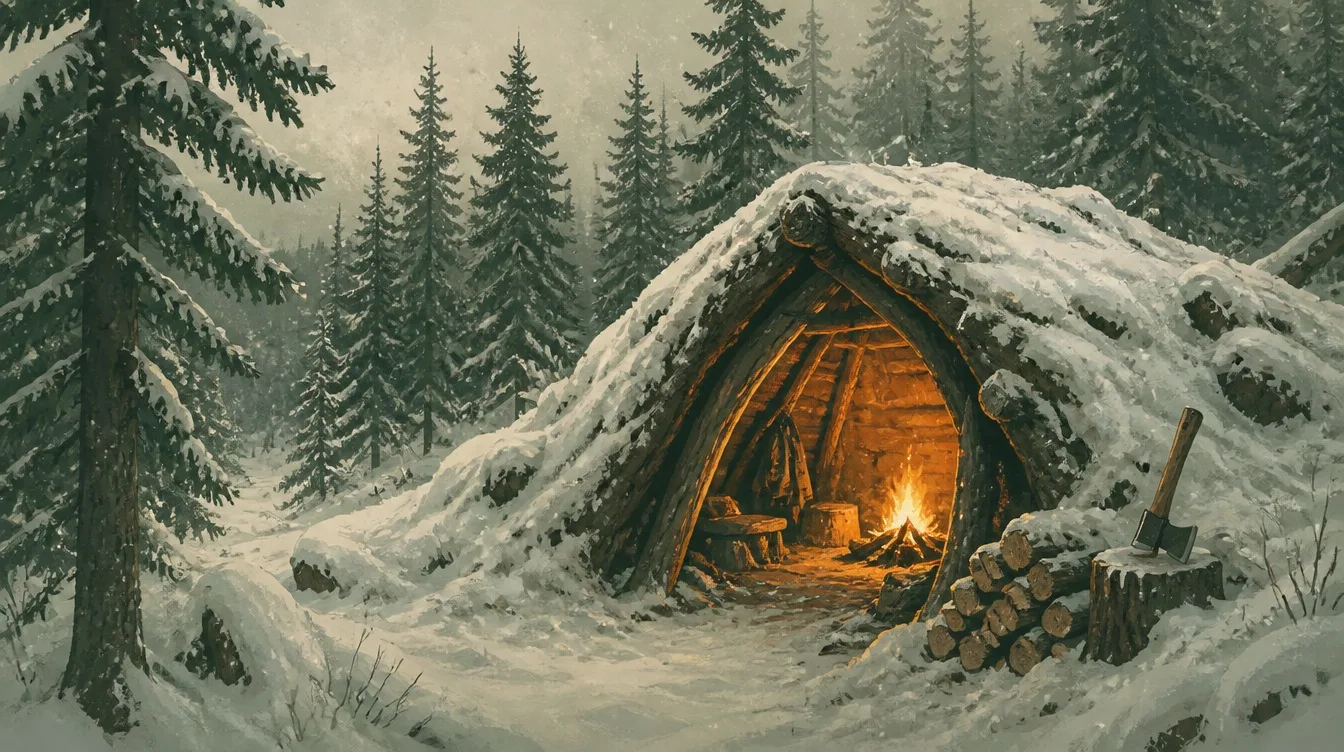
Race to Survive gives its teams somewhere they have to reach. You follow their progress through a course, rather than waiting to see who can remain at one camp longest. The survival part changes the racing decisions: a team may need to spend time on something that doesn't move it closer to the finish.
That is the tension to watch for. A detour can look like a mistake on the map while serving another need. A quick route can look attractive while leaving a team with less opportunity to prepare for what comes next.
What the race structure asks of the teams
USA Network's description of the Alaska season sets out eight two-person teams, six races and elimination for the last team to finish a leg. Each race includes its own Adventure Challenges. The format therefore asks more than whether a pair can stay outdoors for a long time.
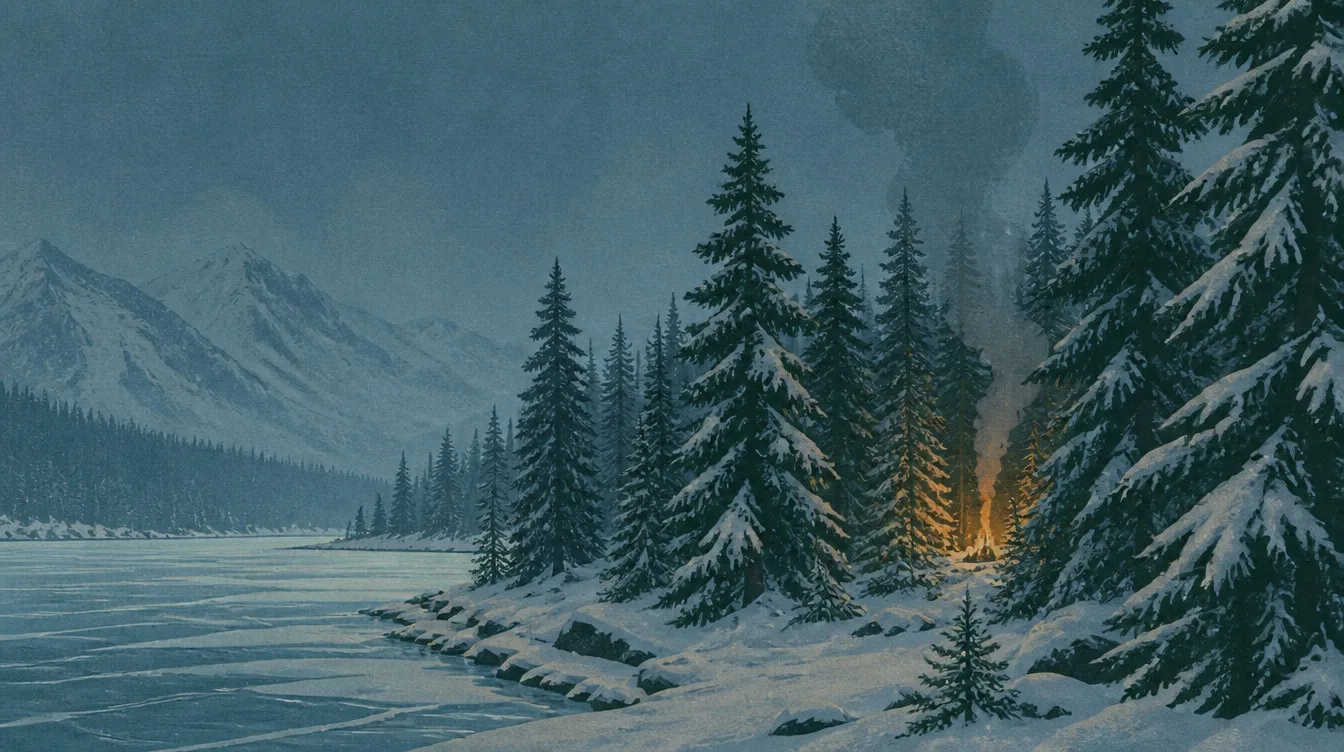
A team has to complete the course and the challenges while competing against other pairs. When an episode returns to the race order, that information matters: relative position can decide who gets to continue.
The New Zealand season adds a food decision
The New Zealand edition begins with nine teams of two. In USA Network's interview with showrunner Jeff Conroy, he explains a season-two change: teams aren't simply given their food at the start. Hidden food caches can require a detour away from the main course.
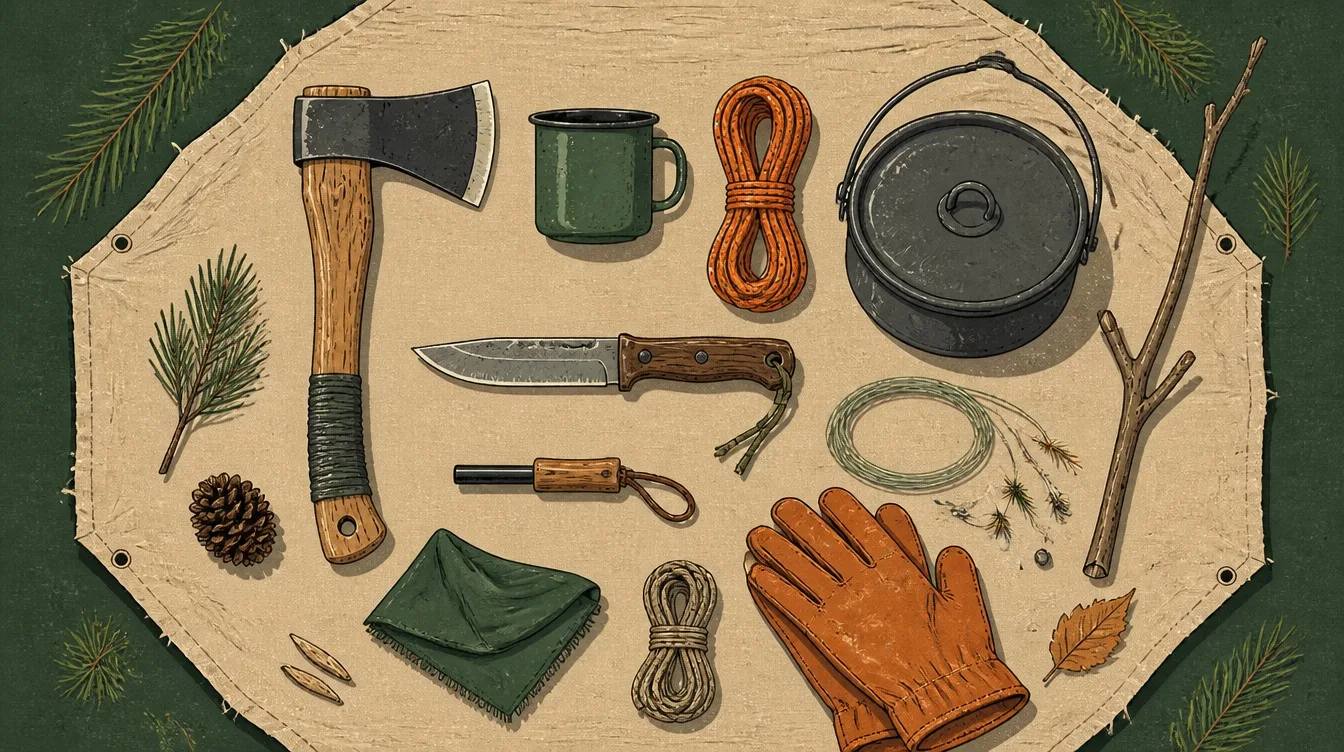
That makes the time spent obtaining food part of the competition. While one team goes for a cache, another can advance on the course. The question isn't whether food matters; it's whether a particular detour helps that pair enough to justify the time it costs.
Watch the decision with the information the episode has established so far. Where is the team relative to its competitors? What does the program tell you about the cache or the next section? That gives you a better basis for understanding the choice than judging it only after you've seen how the leg ends.
Camp scenes belong to the same contest
USA Network's look at Survival Camp shows competitors setting up for the night with equipment they have carried. Those scenes help connect the journey to the time between stretches of racing.
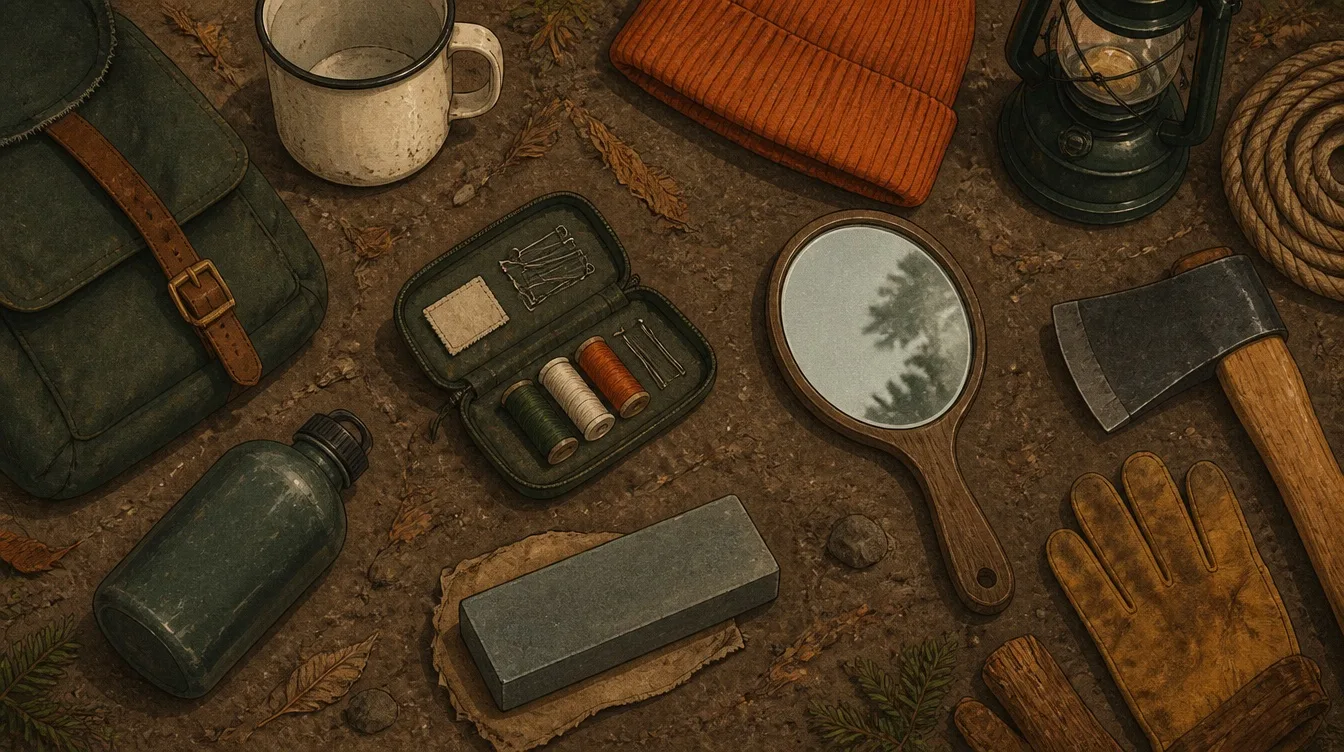
They can also change what you expect from the next stage. A pair's position when it arrives doesn't tell you everything about how ready it will be to continue. Follow what the episode establishes about the team's condition and supplies as well as its place in the race.
Keep each edition's details separate
The Alaska and New Zealand descriptions don't present identical starting conditions. There are different team counts, and the producer identifies food provision as a change for New Zealand. Use the explanation given for the season you're watching before assuming an earlier rule still applies.
This also helps when talking about the show afterward. Saying a pair finished a race leg explains a different achievement from saying it lasted a number of days. Neither number, by itself, makes a useful comparison with a contestant in a stationary endurance format.
Try Race to Survive if you want route choices and a changing race order to drive the story. As you watch, follow three connected things: the course, the pair's place in the field and the decisions that use up time away from forward progress. That is enough to understand the format without looking up results or treating the filmed tasks as outdoor instructions.